
The Ultimate Guide to Mastering Forex Trading Courses
In today’s fast-paced financial markets, currency trading has become one of the most sought-after methods for generating income. If you’re interested in diving into the world of Forex, forex trading course Online Trading Brokers can connect you to essential resources and platforms. This article will explore the significance of Forex trading courses, tips for selecting the right one, and how these courses can contribute to your success in this competitive market.
Understanding Forex Trading
Forex, short for foreign exchange, is the global marketplace for trading national currencies against one another. It is the largest and most liquid financial market in the world, with trillions of dollars exchanged daily. Understanding the mechanics of Forex trading is fundamental before embarking on any trading journey.
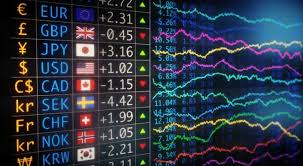
The primary goal of Forex trading is to profit from the fluctuations in currency exchange rates. For example, if you believe that the Euro will strengthen against the US Dollar, you would buy Euros and sell Dollars. Similarly, if you expect the opposite, you would sell Euros and buy Dollars. Currency pairs, such as EUR/USD or GBP/JPY, are the core of Forex trading.
Importance of Forex Trading Courses
Just like any other profession, becoming a successful Forex trader requires a solid educational foundation. Forex trading courses provide that foundation. Here are several reasons why taking a Forex trading course can be beneficial:

- Structured Learning: Courses offer a structured curriculum that takes you from the basics to advanced trading strategies in a logical order.
- Expert Insights: Learning from experienced traders can provide valuable insights that are not readily available from online resources.
- Risk Management: Courses often teach essential risk management techniques to help you protect your capital.
- Access to Tools: Many courses include access to trading tools and resources, such as demo accounts and trading platforms.
- Networking Opportunities: Engaging in a trading course can help you connect with other aspiring traders, facilitating collaboration and knowledge sharing.
What to Look for in a Forex Trading Course
With the increasing popularity of Forex trading, there are now numerous trading courses available, making it essential to choose the right one to match your learning style and goals. Here are key factors to consider when evaluating a Forex trading course:
- Course Content: Ensure that the course covers a wide range of topics, from the basics of Forex to advanced technical and fundamental analysis.
- Instructor Credentials: Verify the qualifications and trading experience of the course instructors. Look for those who have proven track records in Forex trading.
- Format and Delivery: Consider whether the course is offered in-person or online, and whether it uses live instruction, pre-recorded videos, or a combination of the two.
- Reviews and Testimonials: Research reviews and testimonials from previous students to gauge the effectiveness of the course.
- Support and Community: Check if the course offers mentorship, live trading sessions, or community forums that facilitate ongoing support and discussion.
Types of Forex Trading Courses
Forex trading courses come in various forms, catering to different skill levels and learning preferences. Here are the most common types:
1. Beginner Courses
Targeted at those with little to no prior knowledge of Forex, these courses typically cover the basics of currency trading, market analysis, and trading platforms. They usually include beginner-friendly trading strategies and help students develop a solid foundational knowledge of Forex.
2. Intermediate Courses
Designed for traders who already have some experience, intermediate courses delve into more complex trading strategies, advanced technical analysis, and risk management techniques. They often focus on developing a trader’s own strategy and understanding market dynamics.
3. Advanced Courses
Advanced courses are for seasoned traders looking to hone their skills and develop sophisticated trading systems. These courses might cover algorithmic trading, statistical analysis, and high-frequency trading strategies.
4. Specialized Workshops
Many providers also offer workshops focusing on specific aspects of trading, such as technical analysis, fundamental analysis, or trading psychology. These short-term courses can be very effective in building niche skills.
Making the Most of Your Forex Trading Course
Enrolling in a Forex trading course is just the beginning. To truly benefit from your course, it’s crucial to engage actively with the material and utilize the following strategies:
- Practice Regularly: Utilize demo accounts to practice what you learn in real-time without financial risk.
- Ask Questions: Don’t hesitate to ask your instructors or peers for clarifications and deeper insights.
- Stay Updated: Keep learning even after the course to adapt to market changes and new trading technologies.
- Join Trading Communities: Participate in forums and social media groups for peer support and knowledge sharing.
- Maintain a Journal: Document your trading strategies, outcomes, and reflections to identify patterns and areas for improvement.
Final Thoughts
The world of Forex trading can be exhilarating and profitable, but it also requires dedication, discipline, and continuous learning. Enrolling in a Forex trading course is an excellent starting point to equip yourself with the necessary skills and knowledge. Remember to choose a course that suits your needs and actively engage with your learning. With the right training and resources, you can navigate the Forex market and potentially achieve your financial goals.